Kajal for Babies: Benefits, Risks & How to Choose the Right One
Using kajal for babies is one of the oldest traditions, with a history dating back to the very origins of kajal itself.
If you're part of an Indian household, then after delivering a baby, you're likely to hear questions from visitors like:
“Why haven’t you applied kajal to the baby’s eyes?”
“The baby looks pale—you should use kajal.”
But in today’s tech-savvy, AI-driven world, new mothers often find themselves in a tug-of-war with elders over whether or not to use kajal on newborns.
Because it's not easy to find lead-free or natural kajal for babies.
And parents are worried about whether the kajal is safe for babies or if it offers any benefits.
Exactly. Does kajal actually offer any benefits for newborns? Are the kajal products available in the market safe for babies?
Let’s hear what the doctors at Santhimadom have to say.
Why Do People Use Kajal for Babies?

Have you ever wondered why so many people apply kajal to babies? Is it really helpful, or is it just tradition?
In many Indian and South Asian homes, applying kajal is a deeply rooted cultural practice. Elders often say it protects the baby from nazar—the evil eye. You might hear a grandmother say, “We used to do this for you too!” They believe kajal keeps away negative energy and protects the baby’s well-being.
Some parents apply a small dot of kajal on the forehead or cheek, not just the eyes. This mark is meant to confuse bad spirits so they don’t harm the baby.
Others apply it to the waterline of the eye, believing it makes the eyes look bigger, sharper, and more attractive. Some even say it cools and soothes the eyes, especially in hot weather.
You’ll often see this during outings or family functions. A baby dressed in bright clothes, with a tiny kajal dot on the cheek—elders smile proudly, saying, “Now she’s safe from nazar.” It becomes a loving ritual passed down through generations.
But while these beliefs are heartfelt, they don’t have strong scientific proof. Pediatricians today warn against using chemical kajal or homemade versions that may contain harmful ingredients like lead. So, modern parents are starting to ask: Is it safe to use kajal for babies? Are there better options?Is there any natural kajal for babies?
Still, for many families, applying kajal is more than just a beauty routine. It’s a way to show love, protection, and tradition—a small act that connects one generation to the next.
What Do Doctors Say About Using Kajal for Babies?
While kajal holds deep cultural value, most doctors today do not recommend using it on newborns.
Pediatricians often warn that many kajal sold in the market contain harmful ingredients like lead, charcoal, or heavy metals. These can cause serious health issues such as:
-
Eye infections or irritation
-
Allergic reactions
-
Breathing problems if the baby rubs it and accidentally swallows it
-
Long-term risks like lead poisoning
Even homemade kajal, though natural, can still be unsafe if it's not prepared hygienically or applied correctly.
In a concerning update from the Drugs Control Department, officials found that many beauty products sold in Kerala—including kajal—are either fake or harmful to health.
Tests revealed that some of the kajal available in the market contain high levels of lead and other dangerous chemicals. These substances can seriously harm the eyes and skin, especially in babies.
Authorities also found that some of these kajal are sold without proper licenses, and many don't even mention the correct list of ingredients. This makes it hard for parents to know what they are really putting near their baby's eyes.
Is Kajal Safe for Babies? Here's What Ayurveda Says

The story of kajal goes back over 4,000 years to ancient Egypt, where people called it “kohl.” Egyptians used it not just for beauty but also for health. They believed it protected their eyes from the strong sunlight and helped treat common eye problems. Over time, this practice spread to other parts of the world, including India.
In India, people have been using kajal since the 7th century. They applied it to make the eyes look beautiful and to protect against negative energy or the evil eye.
In Ayurveda, kajal—also called anjana—has been used for centuries as part of traditional baby care. Ancient texts mention that when made using pure, natural ingredients, kajal can have some benefits.
Ayurvedic kajal is usually handmade at home using ingredients like:
-
Castor oil
-
Ghee (clarified butter)
-
Camphor
-
Herbs like triphala or tulsi
-
Soot collected from a diya (lamp flame)
According to Ayurveda, such natural kajal may:
-
Help cool and soothe the eyes
-
Support healthy vision
-
Keep dust and small particles away from the eyes
-
Act as a mild antiseptic in some cases
Yes, You Have Gotten a Green Signal for Using Kajal for Babies! But Here’s What to Look for When Buying It
If you decide to use kajal for your baby, choose the safest option to protect their delicate eyes and skin.Here are the things you should consider when buying Kajal for both your baby and yourself.
-
Look for lead-free certification. Lead is very harmful, especially for babies, so make sure the kajal you buy clearly states it contains no lead.
-
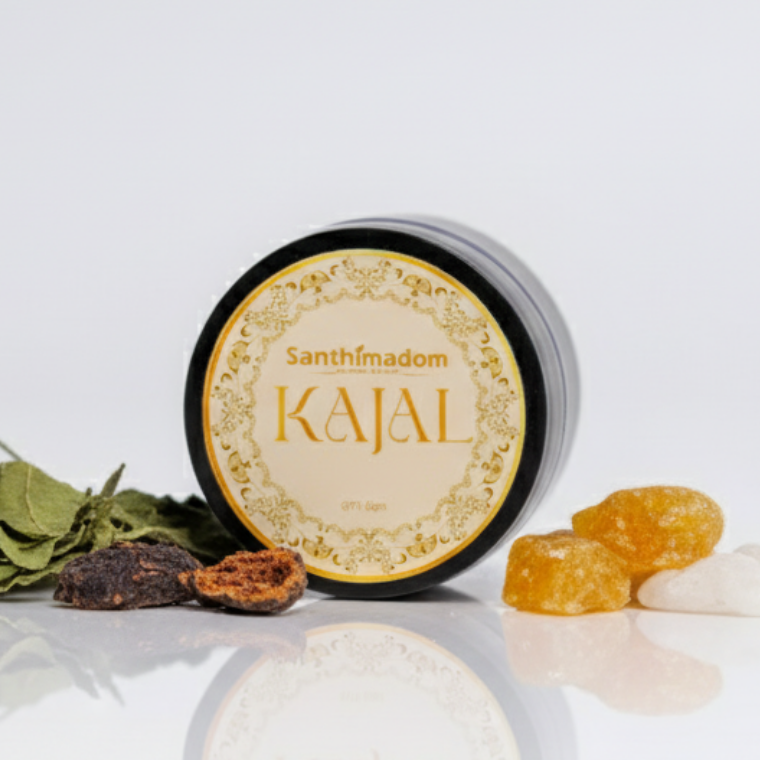
Choose kajal that is tested by skin and eye experts. It should be dermatologically and ophthalmologically tested, which means doctors have checked that it’s safe for the skin and eyes.For example, the Kajal we offer at Santimadom Ayurveda is clinically tested and formulated by Ayurvedic doctors. So, our customers can purchase it with complete peace of mind, as it also carries numerous medicinal benefits.
-
Pick kajal made with natural ingredients. Good kajal often contains things like ghee (clarified butter), almond oil, and camphor. These natural ingredients can be gentle and soothing. But remember, even natural ingredients must be used carefully and in the right amounts.So, try to avoid making Kajal without expert supervision. If you make it at home, there's a high chance you'll use ingredients without proper measurement.
-
Avoid kajal with harmful chemicals. Stay away from products that contain parabens, artificial colors, or fragrances, as these can irritate your baby’s sensitive skin and eyes.
By checking these points, you can make sure the kajal you use is safe and gentle for your little one.
How to Use Kajal on Babies (If You Choose To)
If you decide to apply kajal to your baby, it’s important to do it carefully to keep your little one safe and comfortable.
-
Wash your hands thoroughly and sterilize the applicator. Before applying kajal, clean your hands well with soap and water. Use a clean cotton swab or a soft applicator that has been sterilized to avoid introducing any germs to the baby’s eyes.
-
Use only a very small amount, preferably after the baby’s bath. Applying kajal right after a bath is best because the baby’s skin is clean. Take just a tiny dot of kajal—too much is not safe or necessary.
-
Avoid putting kajal on the waterline or inside the eyelids. Apply the kajal gently only on the outer edge of the eyes, never inside the eye or along the waterline, as this can cause irritation or infections.
-
Watch your baby closely for any allergic reactions or irritation. After applying, keep an eye out for redness, watering, swelling, or any discomfort. If you notice any of these signs, stop using kajal immediately.
-
Do not use kajal if your baby has an eye infection, sensitivity, or any other eye problems. It’s best to wait until your baby’s eyes are completely healthy before applying anything near them.
By following these steps carefully, you can help keep your baby safe while respecting your family’s traditions.
If you’ve made it this far, you might be thinking about which Kajal is best for you. We’ve got a recommendation
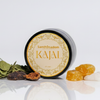
Best Kajal for babies – made with 100% natural ingredients

Our Ayurvedic or Natural Kajal for Babies is made using trusted traditional ingredients like Bhringraj, Triphala, and pure ghee. These herbs are gentle, safe, and known to support healthy eyes.
Bhringraj helps cool and relax the eyes. It soothes dryness and reduces strain, especially after long hours in light or wind. It keeps your baby’s eyes feeling fresh and calm.
Triphala is a mix of three fruits. It cleans the eyes, reduces redness and puffiness, and supports better vision over time. It also has natural antioxidants that protect the eyes from dust and stress.
Pure ghee gives deep moisture to the eyes. It prevents dryness and irritation and helps the herbs in the kajal work better. Ghee also makes the kajal smooth and easy to apply.
When we combine these ingredients, we get a herbal kajal that not only looks beautiful but also protects, cools, and strengthens your baby’s eyes naturally. This is the same kind of care that Ayurveda has recommended for centuries.
Is there more we need to think about?
You’ve now understood whether Kajal is good for babies—but remember, this only applies to Kajal made with safe, natural ingredients. Most other cosmetics on the market contain a high amount of harmful chemicals. Studies have shown this to be alarming, as these chemicals are linked to serious health issues such as kidney failure, cancer, and more.
Yes, this is a serious concern. While using chemical-based cosmetics might temporarily boost your confidence or enhance your appearance, the long-term damage to your health can be severe. For example, if you’re aiming for luscious hair, a chemically infused hair oil might give quick results—but it could also be harming your body silently.
Instead, you can depend on Ayurvedic products—not just for hair growth, but also for postpartum care, skin health, and overall well-being. So, if you’re planning a makeover, we invite you to explore the world of Ayurveda. It doesn’t just offer outer beauty but promotes inner health too.
For more information, check out our range of Ayurvedic products.